
 By
By 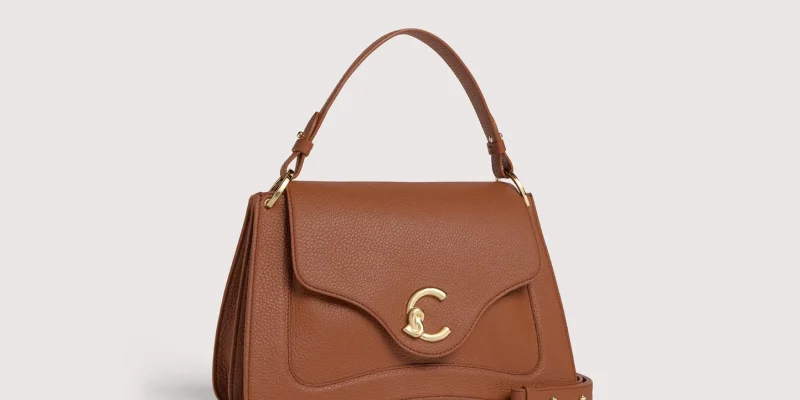
Chapter 1 — Two Different Speeds
Erin and Maren do not come to style from the same place.
Erin likes things that feel settled the moment she puts them on. She reaches for shapes that make sense right away, colors that stay in the background, clothing that does its job without asking for a second round of thought. Maren is looser with it. She starts with a feeling, then lets the rest follow. Some days she wants softness. Some days she wants sharper edges. She does not treat either one as a rule.
That difference is what makes them interesting together. Erin trims things back. Maren leaves more room in the frame. They are close enough to compare notes, but not so close that their wardrobes start to blur into one another.
When they talk about clothes, they are not talking about fashion in some grand, staged way. It is more ordinary than that. What works on a busy day. What still feels right after an hour outside. What helps a look land without making a scene.
Chapter 2 — The Thing She Grabbed Without Thinking
Erin carried the coccinelle bag on a day that had already filled itself up before lunch.
She had errands, messages, and one of those schedules that changes shape every time you check it. So when something fit into the day without creating extra work, she paid attention. That was the first thing she liked. It did not ask her to adjust herself around it. It simply settled into place and stayed there.
The shape had enough presence to complete a look, but not so much that it took over the whole frame. Erin tends to value that. She does not want an accessory acting like the main event. She wants one that helps the outfit hold together and then lets the rest of it breathe.
By evening, it no longer felt new. It felt useful. That is usually how something earns a place in her rotation.
She could set it down, pick it back up, carry it through a long day, and never feel like she was dealing with extra trouble. For Erin, that sort of ease matters more than a dramatic first impression ever could.
Chapter 3 — Maren’s Way of Getting Dressed
Maren rarely starts with a full plan.
More often, she starts with a mood she has not fully named yet. It might come from the weather outside, the kind of meeting she expects to have later, or the pace of the morning itself. Whatever the spark is, she follows it. Her clothing tends to grow from that point.
Some days she wants softness. Some days she wants a little contrast, a sharper shape, something that pulls the eye in a different direction. She can move between those moods without losing herself, which is what keeps her style believable. Nothing about it looks locked in too early. Nothing feels forced.
She likes clothing that leaves room for change once the day gets moving. If she has to rethink everything the second she leaves the house, the outfit stops feeling like hers. She prefers the opposite: something that can keep pace without turning stubborn.
That is why her wardrobe feels personal even when it is simple. It is less about formula and more about instinct.
Chapter 4 — Same Street, Different Pace
When Erin and Maren walk together, the difference between them shows up almost at once.
Erin moves with purpose, as if she already knows the route and wants to get there without wasting time. Maren takes more time. She looks at windows, reflections, little details on the street that most people pass without thinking. They are not trying to match each other. They are just reading the same city in different ways.
The coccinelle bag works in both settings. On Erin, it sharpens a simple outfit and makes it feel more complete. On Maren, it softens a layered look and keeps the whole thing from feeling too stiff.
That range is what gives it a place in their routines. It does not need a special occasion. It only needs a real day.
Some things feel stuck in one kind of outfit. This one does not. It can sit beside a plain shirt and trousers, or beside something looser and more textured, and still make sense without needing a bigger explanation.
Chapter 5 — They Do Not Care About the Same Things
Erin pays attention to how something behaves after hours of use. She wants to know whether it still holds its shape, whether it remains easy to carry once the day gets longer than expected, whether it sits right when she sets it down for a moment and then picks it up again. If something looks good only at the start, she loses interest fast.
Maren reads accessories in a different way. She cares about what they do to the mood of an outfit. A single item can make a look feel more grounded, more relaxed, or more deliberate depending on how it is worn. She likes that kind of shift.
Neither of them treats style as decoration for its own sake. Erin wants something that works. Maren wants something that changes the feeling in a useful way. Between the two of them, the same object can do two different jobs and still feel right.
That is probably why their wardrobes never look identical, but never feel random either. They are built on different instincts, yet both are practical in the real world.
Chapter 6 — Weekends Slow Everything Down
Weekends give both of them more room to breathe.
Erin still prefers structure, but she loosens it a little when the day is less demanding. She may trade something sharp for something softer, or choose a shape that feels easier to wear from morning to night. Maren goes a step further and lets comfort lead without thinking too hard about it. Her outfits become less formal, but not careless.
That is when the coccinelle bag settles in especially well. It sits beside relaxed clothing without forcing the outfit into a stricter shape. Erin uses it when she wants the day to stay simple. Maren uses it when she wants something steady beside a softer look. Either way, it does not interrupt the rhythm.
She keeps coming back to it on days like that, and the category is easy enough to find when she feels like looking again: https://www.bniox.com/products/coccinelle-bags
On slower days, style is easier to read. The things that remain in rotation usually say more than the things chosen to impress.
Chapter 7 — The Way Color Speaks
Erin tends to stay near softer, restrained tones. Not because she avoids color altogether, but because she prefers control over surprise. Her palette is narrow on purpose, and she likes it that way.
Maren is less fixed. Some days she reaches for warmer neutrals. Other days she chooses a shade that changes the whole feel of what she is wearing. She does not overthink it. If it feels right, she goes with it.
Color matters to both of them, but for different reasons. Erin uses it to keep the outfit clear. Maren uses it to shape atmosphere. One is not better than the other. They simply serve different instincts.
That difference gives their clothes a kind of character that does not need much explanation. Even when they are standing still, the color choices say something before either of them speaks.
Chapter 8 — Leaving Light
When travel enters the picture, both women become more selective.
Erin packs with a kind of quiet efficiency. She takes what she knows she will use and leaves the rest behind. Maren keeps a little more room in her bag, not because she wants excess, but because she likes the option of changing direction if the day calls for it.
The coccinelle bag fits both styles of travel. Erin sees it as reliable. Maren sees it as stable without feeling rigid. On a short trip, that matters. It keeps the outfit from feeling scattered and gives the day one less thing to think about.
Travel has a way of reducing style back to the essentials. What survives that cut is usually what earns the most trust. People learn quickly which items are worth carrying and which ones only look good in theory.
Erin and Maren both know that feeling. They just sort the answer in different ways.
Chapter 9 — Why Accessories Change the Feeling
Erin treats accessories as part of the frame. If something throws the outfit off, she will set it aside. She likes the full look to stay clear from start to finish.
Maren treats them more emotionally. For her, a bag or a small detail can change how a person feels inside their own outfit. That shift can be subtle, but it is enough to matter.
They do not try to settle the question in one direction. Erin asks whether something holds together. Maren asks whether it feels right. Both questions matter.
That is probably why their style conversations never run dry. They are talking about real use, not some neat theory that looks better on paper than it does in daily life. The gap between theory and the actual morning is usually where their best opinions come from.
Chapter 10 — When the Light Changes, So Does the Look
Evening changes both of them, but not in a dramatic way.
Erin usually keeps the same base and makes only a few small edits. Maybe she changes the way something is carried. Maybe she removes one layer. Maren allows a little more softness into the look as the day winds down. One leans toward control, the other toward ease. Neither one feels overdone.
The coccinelle bag stays steady through that shift. It does not need a different setting to make sense. It works in daylight and still feels right when the light starts to fade. That kind of continuity is part of its charm.
Some things only matter when they can keep up with the day from start to finish. This is one of them. It does not have to announce itself. It just has to remain dependable while the rest of the day keeps changing.
Chapter 11 — Not the Same, Still Right
Erin and Maren never try to dress alike.
Erin stays close to structure and easy progress through the day. Maren stays near mood, softness, and a looser sense of direction. Their choices do not always overlap, but they keep circling the same idea: clothes should feel like part of life, not something built for display only.
Over time, certain items stay in both of their wardrobes for different reasons. Not because they think the same way, but because some things can work across more than one style without losing their own shape.
That is where their language meets. Not in a perfect answer, not in a tidy rule, but in the kind of everyday trust that comes from wearing something again and again because it still feels right.









Comments