
 By
By 
Why Barefoot Shoes? The Science Behind Natural Movement
The Evolution of Human Footwear: From Protection to Precision
The history of human footwear is a fascinating journey that highlights both cultural innovation and the evolving needs of our anatomy. For thousands of years, mankind relied on simple foot coverings crafted from natural materials, primarily designed for protection against the elements and rough terrain. Early humans utilized hides, plants, and woven fibers to create rudimentary shoes that allowed them to navigate their environments while preserving the natural capabilities of their feet. This primitive approach to footwear promoted a sense of agility, balance, and freedom of movement.
However, as civilization progressed, so did our footwear. The introduction of more rigid and structured shoes in the 19th and 20th centuries marked a significant shift. High heels, thick soles, and arch supports became commonplace, often prioritizing style over functionality. While these designs offered certain aesthetic advantages, they inadvertently restricted the foot’s natural range of motion and modified the way we walk and run. In modern society, this evolution has led many individuals to experience a growing disconnect from the natural biomechanical functions of their feet. This is where barefoot shoes come into play, revitalizing the philosophy of footwear that promotes natural body mechanics, reintroducing comfort, flexibility, and a close-to-ground feeling.
How Barefoot Shoes Mimic the Natural Foot Function
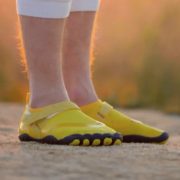
Barefoot shoes are specifically engineered to closely replicate the experience of being barefoot while providing minimal protection against environmental elements. These shoes are designed with a philosophy that encourages the natural movement of the foot, allowing the toes to splay, the arch to flex, and the ankle to move freely. Unlike traditional shoes, which can often have a highly structured design, barefoot shoes feature a thin sole that offers little elevation, ensuring the foot maintains its natural position.
The absence of cushioning layers and restrictive elements in barefoot shoes allows for maximum sensory feedback from the ground. This sensation helps the brain communicate more effectively with the feet, enhancing balance and coordination. Essentially, barefoot shoes teach our feet to operate as they were originally intended, engaging muscles that may have become dormant under traditional footwear. This mimicking of natural foot function encourages a more stable and aligned posture, which can lead to improved overall biomechanics in day-to-day activities such as walking, running, or exercising.
The Biomechanical Benefits of Going Barefoot: What Research Says
Research in the field of biomechanics has increasingly highlighted the significant advantages of barefoot movement. Studies have found that walking or running in barefoot shoes can lead to improvements in foot and ankle strength, as these shoes require the foot to work harder compared to traditional cushioned footwear. Enhanced muscle engagement in the feet and lower legs can help to prevent common issues such as plantar fasciitis, shin splints, and other impact-related injuries.
Moreover, evidence suggests that transitioning to barefoot shoes can lead to alterations in running gait that promote a more midfoot or forefoot strike, as opposed to a heel strike typical of those wearing traditional running shoes. Such a change can mitigate the impact on joints, potentially reducing the risk of injuries associated with repetitive stress. Various studies indicate that individuals who utilize barefoot shoes consistently report fewer injuries compared to those who wear conventional shoe designs.
Comfort Redefined: The Experience of Wearing Barefoot Shoes
Embracing Sensory Feedback: The Joy of Feeling the Ground Beneath You
One of the most profound experiences of transitioning to barefoot shoes is the enhanced sensory feedback that comes from direct interaction with the ground. Traditional footwear often detaches the wearer from their environment, dulling the acute sensations that inform balance and spatial awareness. Barefoot shoes, on the other hand, invite wearers to reconnect with the earth, allowing each step to be a more conscious and responsive action. This physiological relationship results in greater situational awareness which researchers argue could lead to fewer accidents and improved athletic performance.
As individuals embrace the experience of ground contact, they often find joy in the textures, temperatures, and contours of various surfaces. Whether one is walking on grass, gravel, or pavement, each texture offers a different feedback loop, stimulating the neural pathways in the feet and legs. This sensory experience not only fosters a deeper connection to the physical world but also encourages mindful movement, an aspect often overlooked in our fast-paced lives.
Lightweight and Breathable: Why Your Feet Will Thank You
Comfort is intrinsically tied to the design and material of footwear. Barefoot shoes are renowned for their lightweight construction, which minimizes fatigue during extended wear. By stripping away unnecessary weight and bulk, these shoes promote a more natural walking experience, allowing for greater agility and freedom of movement.
In addition, the breathability of materials used in barefoot shoes is a significant advantage. Unlike traditional footwear that may trap heat and moisture, barefoot shoes often prioritize moisture-wicking and ventilated materials. This ensures that feet remain cool and dry, reducing the likelihood of blisters and fungal infections. Research indicates that proper ventilation can greatly enhance foot health, making the decision to switch to barefoot alternatives a beneficial choice for longevity and comfort.
Transitioning to Barefoot Shoes: Tips for a Smooth Adaptation
Shifting to barefoot shoes can significantly enhance one’s foot health, but it’s essential to transition gradually to avoid discomfort and injury. The muscles in your feet and lower legs may not be accustomed to the level of engagement required by barefoot footwear. It’s advisable to start by wearing barefoot shoes for short periods, allowing your feet to adapt to the new dynamics. Begin with indoor wear or short walks on soft surfaces before gradually increasing both duration and distance.
Incorporating foot strengthening exercises into your routine can also ease your transition. Activities such as toe curls, ankle rotations, and balance exercises build strength and resilience in the foot muscles. This proactive approach not only prepares your feet for the demands of barefoot shoes but also reinforces the benefits of enhanced mobility, stability, and comfort.
Beyond Comfort: The Impact of Barefoot Shoes on Your Health
Preventing Common Foot Injuries: A Game Changer in Footwear
Injuries related to improper footwear are sadly common, with conditions such as bunions, plantar fasciitis, and Achilles tendinitis often rooted in poorly designed shoes. The rigid support and excessive padding of traditional shoes can lead to poor foot mechanics, placing undue strain on joints and ligaments. Barefoot shoes present a refreshing alternative, aimed at reducing the risk of such injuries by promoting natural foot movement.
By allowing the foot to move freely and flexibly, barefoot shoes encourage a more efficient and adaptable structure. This flexibility means the foot can better absorb impact, distribute weight, and support the body’s movements, leading to a lower risk of injuries related to muscle weakness and imbalances. Many users who have transitioned to barefoot shoes report significant reductions in chronic pain and discomfort, highlighting the shoe’s preventative benefits.
Enhancing Posture and Balance: The Role of Your Footwear
Good posture is largely influenced by the alignment and health of our feet. Studies indicate that traditional shoes with elevated heels can tilt our pelvises forward, leading to increased lumbar curvature and poor spinal alignment. In contrast, barefoot shoes maintain the foot in a neutral position, which encourages better alignment of the pelvis and spine. This alignment promotes natural posture, reducing the strain on the back and minimizing fatigue during daily activities.
Balance is another crucial factor that barefoot shoes enhance. As the foot becomes more engaged with the ground, the body’s proprioception the awareness of its position and movement improves significantly. Enhanced balance can prevent falls and injuries in everyday activities, making barefoot shoes particularly advantageous for older adults or those with stability issues.
Are Barefoot Shoes Suitable for Everyone? Debunking Myths
While the benefits of barefoot shoes are compelling, there is often skepticism regarding their suitability for different individuals. Many myths perpetuate the belief that barefoot shoes are not appropriate for everyone, particularly those with pre-existing foot conditions. However, current evidence suggests otherwise. Once a small transition period is observed, many individuals including those with flat feet, high arches, and plantar fasciitis may find relief from discomfort by switching to barefoot shoes.
The key is to approach this change with proper education and awareness. Consulting with healthcare professionals such as podiatrists or physical therapists can provide tailored advice on how to transition safely and effectively. Everyone’s feet are unique, and barefoot shoes offer a customizable experience that can adapt to various foot shapes and needs. Debunking these myths and embracing the structural benefits of barefoot shoes can pave the way for a healthier and more active lifestyle.
Choosing the Right Pair: Finding Your Perfect Barefoot Shoes
Top Brands in the Barefoot Shoe Market: A Comparative Insight
As the demand for barefoot shoes continues to rise, numerous brands have emerged, each offering distinctive features catering to different lifestyles and activities. Brands such as Vivobarefoot, Merrell, and Xero Shoes have garnered popularity for their commitment to natural movement. Vivobarefoot, for example, emphasizes sustainable materials alongside their minimalist designs, appealing to environmentally conscious consumers. Conversely, Merrell’s offerings often balance minimalist features with robust performance, making them an excellent choice for outdoor enthusiasts.
Xero Shoes stands out for their innovative “wearing your shoes like a glove” philosophy, focusing on an ultra-lightweight design that promotes a barefoot feel. Each brand presents unique advantages, and prospective buyers should consider their specific activities be it hiking, running, or casual wear to find the most suitable option. An in-depth research of customer reviews and professional analyses can provide further clarity on fitting and overall satisfaction for potential users.
What to Look For: Key Features of Quality Barefoot Shoes
When selecting barefoot shoes, consumers should consider several critical factors to ensure they choose a quality product. Firstly, the sole construction is paramount; look for a foot-shaped design that allows natural toe spread and a thin sole to facilitate sensory feedback. Flexibility is another essential feature; users should be able to easily bend and twist the shoes, simulating natural foot movement.
Breathability is equally important, especially if the shoes will be worn for extended periods. Materials should wick away moisture and keep the feet cool to prevent discomfort. Additionally, consider the shoe’s weight; lighter shoes typically provide a more natural experience. Lastly, tread design can influence traction, which is crucial depending on the intended purpose of the shoes. Ensuring that the chosen pair fulfills these vital characteristics can significantly enhance the wearer’s experience.
Personal Style Meets Health: Matching Barefoot Shoes to Your Lifestyle
While the functional benefits of barefoot shoes are compelling, style does not have to be sacrificed in the pursuit of comfort. The market now offers a wide array of designs that cater to different aesthetic preferences, from sleek, sporty looks for running enthusiasts to fashionable options suitable for casual outings or work environments. Brands are recognizing the importance of integrating style with performance, making it increasingly easier and enjoyable to incorporate barefoot shoes into everyday wear.
To truly optimize the blend of personal style and health benefits, individuals should think about their daily routines. For active lifestyles involving outdoor sports or rigorous exercise, selecting a durable and functional pair would be paramount. Conversely, individuals looking for everyday casual wear might prioritize versatile designs that can seamlessly transition from active to professional settings. Whatever your preference, the variety available in barefoot shoe brands ensures that adopting this healthier footwear option does not compromise personal style.








Comments